Electric Bus Sales in India H1 FY27: 3,771 Buses, JBM Leads
 By Vikram SinghOctober 12, 20265 min read
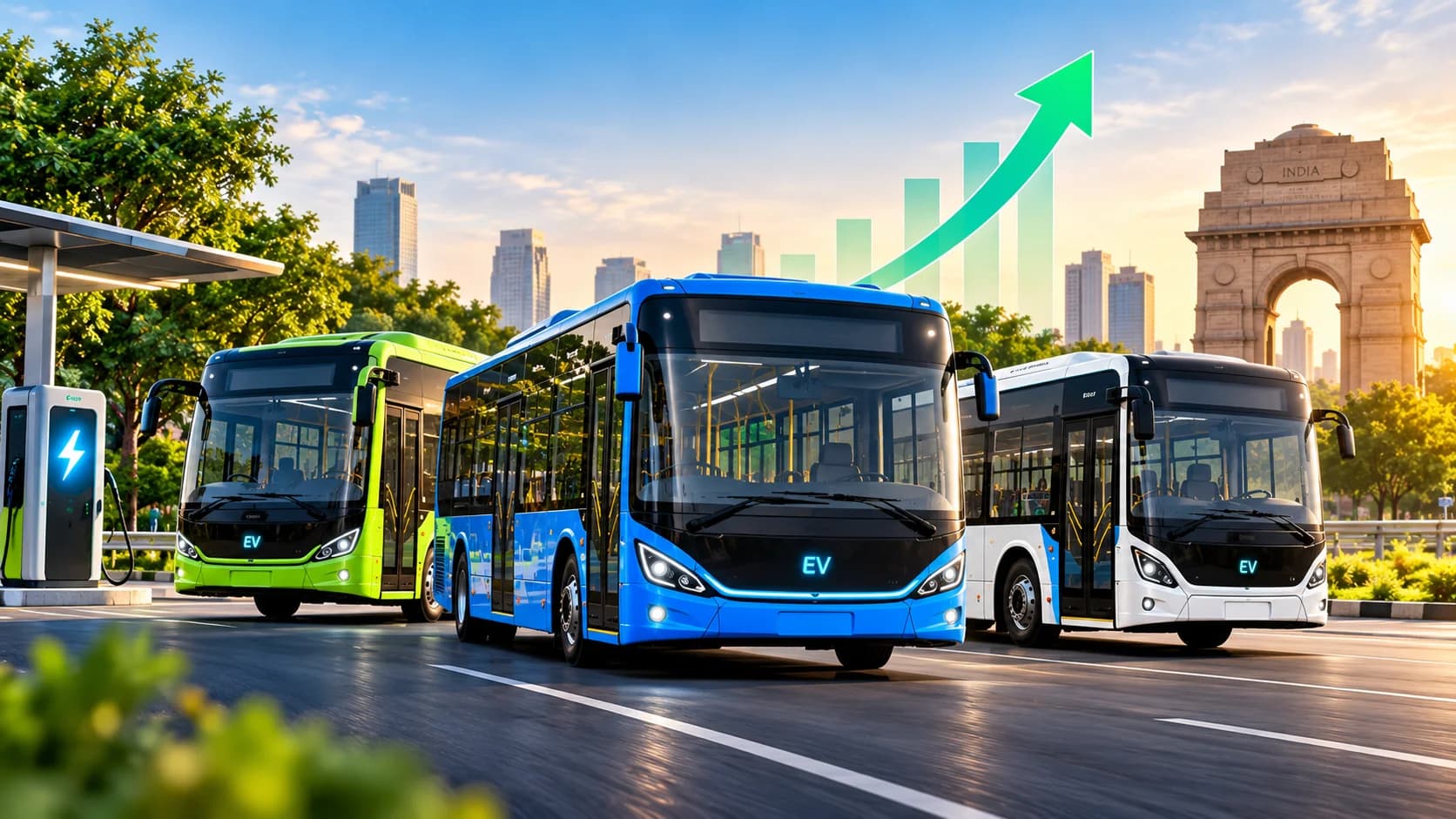
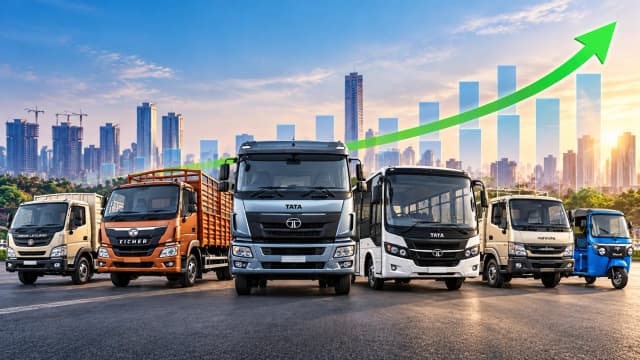
Electric bus sales in India reached 3,771 registrations between April and September 2026, the first half of FY27. JBM led with 892 buses, about 24% of the market. The lead, however, keeps changing hands from month to month.
If you run staff, school or private intercity buses, that churn tells you something. The market is still driven by big government orders, so supply, pricing and delivery slots depend on who has won the latest tender.
Electric bus sales by maker
JBM's half-year total comes from Vahan registration data. In September alone, JBM registered 274 buses for a 33% share, which puts the month's market at roughly 830 buses.
A month earlier, though, the order was very different. In August, Olectra led with 315 buses, ahead of JBM Electric Vehicles at 160, Pinnacle Mobility at 155 and Switch at 146. PMI Electro fell 62% to 54.
| Period | Market | Leader |
|---|---|---|
| Jan–Jun 2026 | 2,944 | Switch, 830 (28.2%) |
| August 2026 | 908 | Olectra, 315 (34.7%) |
| Apr–Sep 2026 | 3,771 | JBM, 892 (about 24%) |
So three different makers led in three different periods. In the January–June half-year, Switch Mobility led with 830 buses, followed by JBM Auto at 635 and PMI at 574. Meanwhile, Tata's share fell to just 2.4%, from 39.2% in 2024.
Why electric bus sales jump around
Most e-buses in India go to state transport undertakings under large government tenders. The buses are usually leased on a gross cost contract, where the operator is paid per km. So registrations come in bursts, as each city's batch is delivered and registered.
That's also why the numbers will keep rising. CESL has finished tendering 10,900 e-buses under PM E-DRIVE, and the e-bus part of that scheme now runs to 2028. States are buying too. Uttar Pradesh, for instance, approved 250 AC e-buses, as we covered in UP Roadways' electric bus order.
What electric bus sales mean for private operators
If you run a school, staff or private fleet, the government orders cut both ways. On one hand, they've built charging depots, trained technicians and made e-bus parts easier to find. On the other hand, makers fill big tenders first. As a result, a private order for five or ten buses can wait longer for a slot.
The economics also differ. A state transport bus runs 200+ km a day on fixed routes, which is ideal for an e-bus. A school bus, by contrast, might do 80 km a day with long idle hours. At that usage, the higher upfront price takes much longer to pay back, so do the maths on your own kilometres before you switch.
Also, PM E-DRIVE's e-bus support mostly goes to public transport tenders. Private operators shouldn't count on a central subsidy.
Prices, EMIs, subsidies and permit rules vary by state and change frequently. Verify with your dealer, lender or RTO before you buy.
Choosing a maker
With the lead changing every few months, don't choose a maker on market share alone. Instead, look at three things. First, check the service network in your city, because an e-bus off the road for a week costs more than any discount. Next, look at the battery warranty, both in years and in km. Finally, ask how many of that model are already running in your state, and talk to one of those operators.
JBM, Olectra, Switch and PMI all have thousands of buses in service, so each has a track record you can check. Smaller makers may offer better prices, but they need more homework.
Buy, lease or wait?
Buying outright isn't the only route any more. JBM, for example, has signed up to supply 500 buses through the DRIVN leasing platform, so operators can pay monthly instead of tying up crores upfront. For a small operator, that can make more sense than a loan, especially now that the RBI has raised rates. Our note on CV loan EMI after the hike shows the extra cost.
However, compare the lease rate per km with your own diesel cost per km before you sign. Also check who pays for the battery if it degrades early, because that's where lease contracts differ most.
What this means for buyers
- Electric bus sales are still led by government tenders, so book private orders early and ask for a firm delivery date in writing.
- Run the payback on your own daily km. E-buses make the most sense above about 150 km a day.
- Choose on service network and battery warranty, not on whoever led last month.
- From 2027, new buses also need emergency braking. Our note on ADAS for trucks and buses has the dates.
FAQs on electric bus sales
How many electric buses were sold in India in H1 FY27?
About 3,771 were registered between April and September 2026, according to Vahan data.
Which company leads electric bus sales in India?
It changes month to month. JBM led April–September 2026 with about 24%, Olectra led August, and Switch led January–June.
Is there a subsidy on electric buses for private operators?
PM E-DRIVE's e-bus support mostly goes to state transport tenders. Private operators should check state schemes instead.