Delhi Electric Auto Rule: Only EVs Registered From 2027
 By Vikram SinghOctober 15, 20265 min read
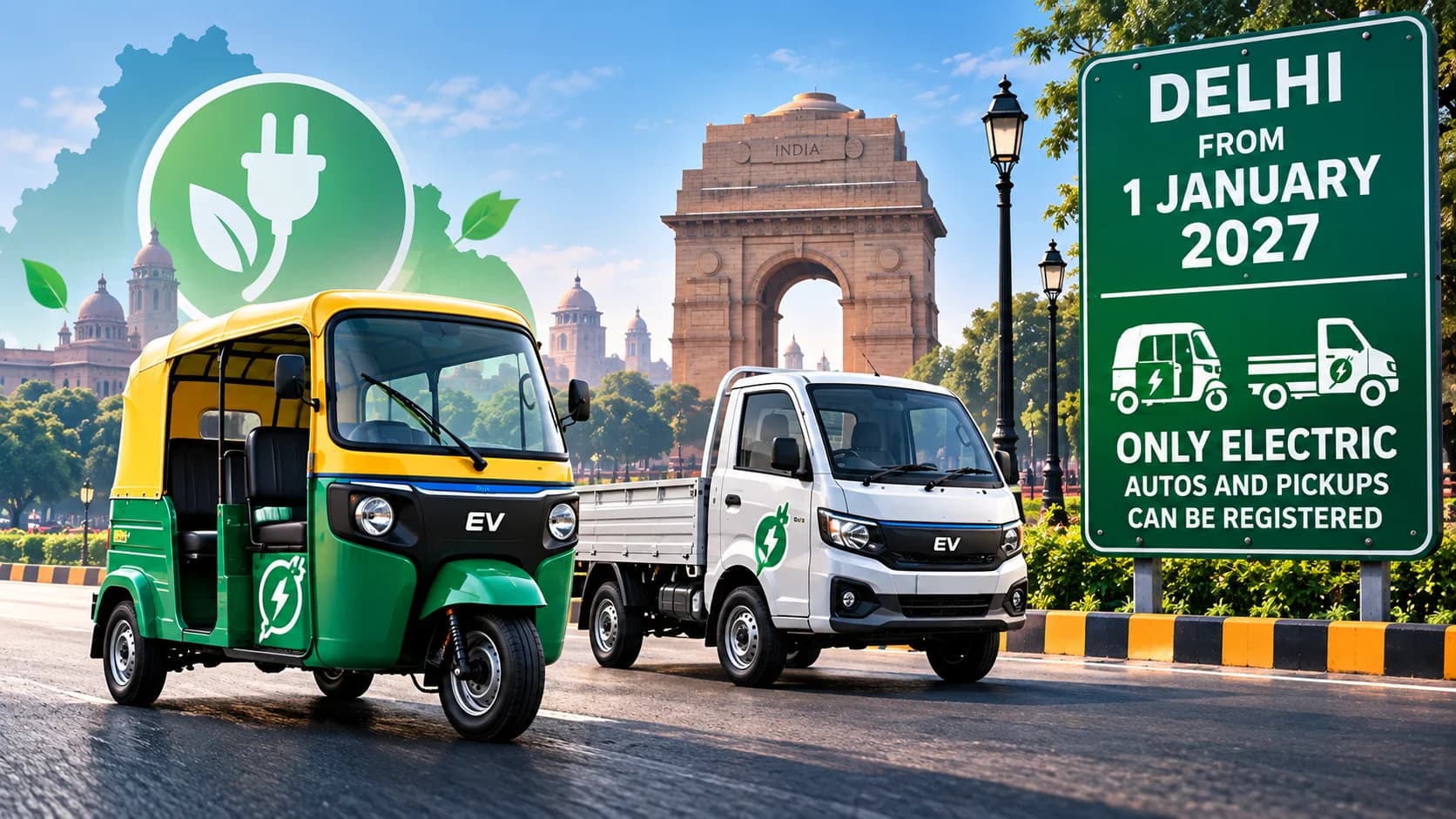
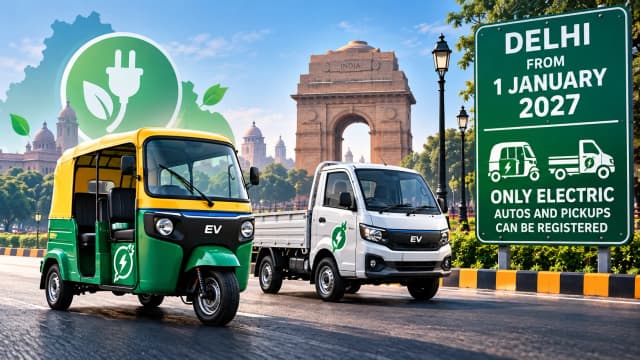
From 1 January 2027, Delhi will register only electric autos and electric small goods vehicles. If you were planning to buy a new CNG auto or a diesel pickup in the city, you have about 11 weeks left. After that, the Delhi electric auto rule leaves you one option, though a state incentive of up to ₹50,000 softens the switch.
What the Delhi electric auto rule says
The Delhi EV Policy 2026 was notified on 30 June and came into force on 1 July, under notification F. No. JC/EV/TPT/2026/02/281, according to TeamLease RegTech. It then runs until 31 March 2030.
For you, though, the key line is the registration mandate. From 1 January 2027, only electric three-wheelers, both passenger and goods, can be newly registered. The same applies to N1 goods vehicles, meaning anything up to 3.5 tonnes GVW, The Tribune reported. So the rule covers your Ace, Dost and Bolero Pik-Up as well as the auto.
However, nothing forces existing vehicles off the road. A CNG auto or diesel pickup that's already registered can keep running, as the Tribune notes.
Delhi electric auto incentives and goods vehicle subsidy
The policy pays a purchase incentive straight into your bank account, and it falls each year. The amounts below come from The Pioneer's report on the notified policy:
| Vehicle | Year 1 | Year 2 | Year 3 |
|---|---|---|---|
| E-auto (battery 4 kWh or more) | ₹50,000 | ₹40,000 | ₹30,000 |
| N1 e-goods, over 1.75 t GVW | ₹1,00,000 | ₹75,000 | ₹50,000 |
| N1 e-goods, up to 1.75 t GVW | ₹50,000 | ₹37,500 | ₹25,000 |
Years run from the policy's notification, so Year 1 ends in mid-2027. So buying an electric auto in the first half of 2027 still gets you the full ₹50,000.
There's also a scrappage bonus. If you scrap a Delhi-registered BS-IV or older vehicle and buy an e-auto within six months, you get ₹25,000 more, Outlook reports. For N1 goods vehicles, though, reports differ on the scrappage amount. Some say ₹25,000 and others ₹50,000, so confirm it with the transport department before you count on it.
Prices, EMIs, subsidies and permit rules vary by state and change frequently. Verify with your dealer, lender or RTO before you buy.
The fine print that trips people up
The incentive isn't automatic, however, so watch these conditions:
- You must be a Delhi resident, whether an individual, firm or company.
- You must apply within 30 days of getting your RC, and the money should arrive within 60 days of applying.
- Also, only models cleared by the policy's Model Approval Committee qualify, so ask the dealer to confirm before you pay.
- An e-auto with a battery under 4 kWh gets nothing.
- You can't transfer the vehicle outside Delhi for three years.
Should you buy a CNG auto before the Delhi electric auto rule kicks in?
Only if you have a solid reason. A CNG auto registered in December stays legal, but you'll be running a vehicle the city has stopped registering. That will likely hit resale, because the pool of Delhi buyers who want a used CNG auto will shrink.
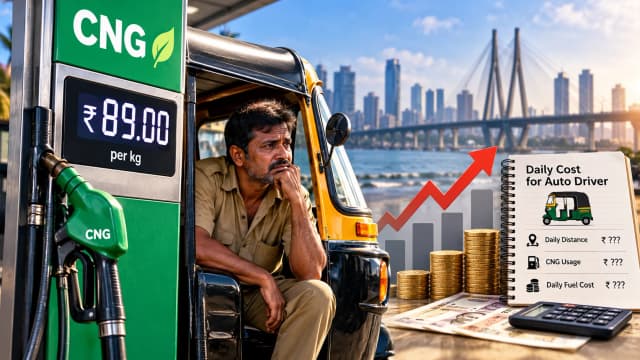
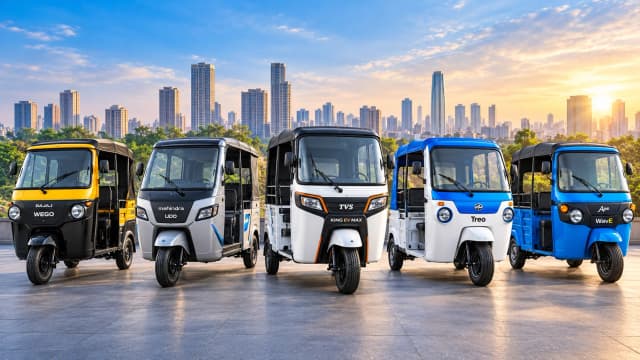
Running costs point the same way. CNG in Delhi is ₹86.98 a kg after this year's hikes, so a CNG auto costs about ₹3.22 per km on its claimed mileage, as our CNG price hike explainer shows. Meanwhile, e-autos now start at about ₹2.55 lakh. Our electric auto price guide compares the main models on range, warranty and EMI.
That said, if you already own a well-kept CNG auto, there's no need to rush. Run it, then go electric when it's due for replacement and the incentive math still works.
What it means for goods vehicle owners
Small fleet owners, by contrast, face the bigger decision. From 2027, every new pickup or mini truck you register in Delhi must be electric. So if your routes run under about 120 km a day, an e-SCV with a ₹1 lakh incentive is worth pricing now. See our look at electric mini truck sales and prices.
On the other hand, if your trucks are registered outside Delhi and only enter the city, this rule doesn't apply to them. Entry rules are a separate matter, as covered in our Delhi BS4 truck ban explainer.
What this means for buyers
- Need a CNG auto or diesel pickup registered in Delhi? You have until 31 December 2026.
- Going electric? Buy before mid-2027 to get the Year 1 incentive.
- Check the model is on the approved list and the battery is at least 4 kWh before you sign.
- Apply within 30 days of getting your RC, or you lose the incentive.
Delhi electric auto rule FAQs
When does the Delhi electric auto rule start?
From 1 January 2027, only electric three-wheelers and electric N1 goods vehicles can be newly registered in Delhi.
Can I still drive my CNG auto after 2027?
Yes, because the rule only covers new registrations, so existing CNG autos can keep running.
How much is the Delhi electric auto subsidy?
It's ₹50,000 in the first year of the policy, then ₹40,000 and ₹30,000. In addition, scrapping an old vehicle can add ₹25,000 on an e-auto.
Does the rule apply to trucks entering Delhi?
No, since it covers registration in Delhi, not entry. Trucks from other states follow Delhi's separate entry rules.