CV Sales Q2 FY27: Record 3.09 Lakh, What It Means for You
 By Vikram SinghOctober 16, 20265 min read

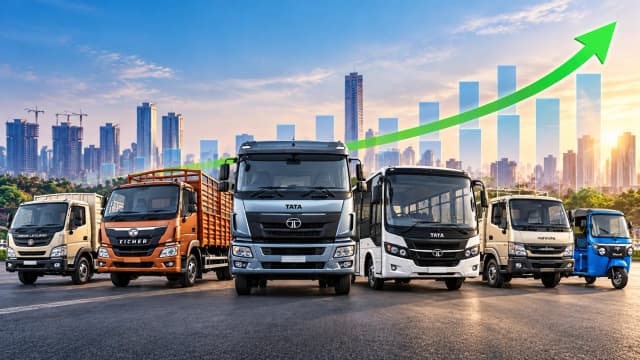
CV sales in Q2 FY27 hit a record 3,09,063 units, up 28.7% on last year, according to SIAM. Three-wheelers also posted their best July–September ever. If you're buying before Diwali, that tells you one thing: demand is strong, so don't expect dealers to chase you with big discounts.
CV sales Q2 FY27 at a glance
These are SIAM's wholesale figures, meaning vehicles sent from factories to dealers. They're not retail registrations, which we covered for September using FADA data. Here's the quarter and the half-year, as Autocar Professional reported them:
| Segment | Jul–Sep 2026 | Apr–Sep 2026 |
|---|---|---|
| Commercial vehicles | 3,09,063 (+28.7%) | 5,74,255 (+23.8%) |
| Three-wheelers | 2,85,342 (+23.6%) | 5,01,879 (+26.3%) |
SIAM's Director General Rajesh Menon said every segment had its highest-ever Q2. For three-wheelers, September alone saw 98,162 units go to dealers, which was 16% more than a year ago.
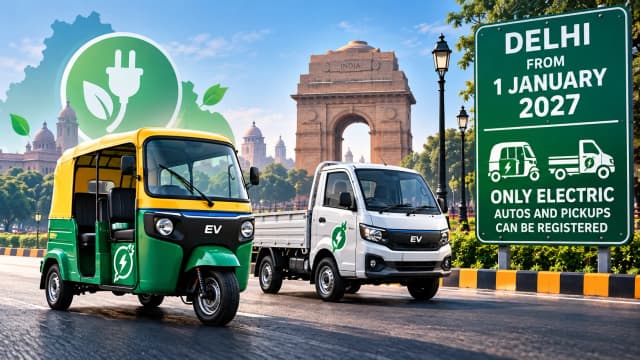
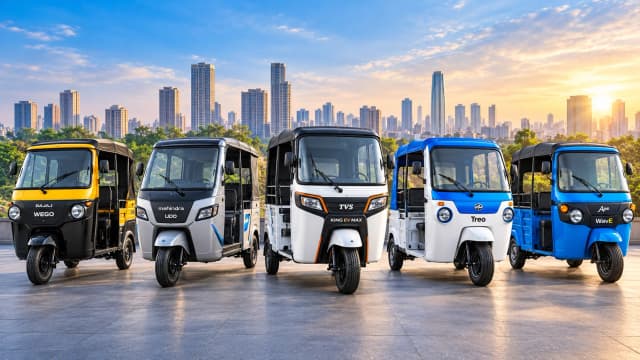
The three-wheeler number deserves a closer look, though. Most of the market is now electric. In September retail, e-autos and e-rickshaws took about 65% of it, as our three-wheeler sales report showed. So if you're buying an auto or a cargo three-wheeler this season, you're now buying into a mostly electric market. That shift will only speed up in Delhi, where new registrations go electric-only from 1 January 2027.
Why demand jumped
SIAM gave several reasons. The first is price. Since the GST cut on commercial vehicles, trucks and pickups cost less, and SIAM credits those lower prices for much of the growth. We looked at whether buyers actually saved after the GST cut in a separate piece.
The second is a weak comparison. July–September 2025 was a soft quarter, so this year's percentage growth looks bigger. Then there's real activity behind it too. SIAM pointed to infrastructure spending, freight movement, fleet expansion and owners replacing old trucks and buses.
Exports also helped makers. CV exports rose 72.5% in the quarter to over 41,000 units, while three-wheeler exports grew 30.4% to about 1.6 lakh. That matters to you only indirectly, because busy plants mean less pressure to discount at home.
Finance has kept pace as well. Ashok Leyland, for instance, signed a vehicle financing tie-up with Tamilnad Mercantile Bank on 12 October. More lenders chasing CV buyers is good news for you, because it gives you room to compare rates rather than take the dealer's first offer.
What SIAM expects for the second half
SIAM expects growth to continue from October to March. However, it warned that growth rates may slow, since the base gets higher from here. The festive season, new launches, infrastructure spending and last-mile delivery demand should keep volumes up.
On the other hand, SIAM President Shenu Agarwal described the industry as "cautiously optimistic". SIAM flagged three risks: higher inflation, possible further rate hikes and geopolitical uncertainty. All three are already showing up. The RBI raised rates this month, and our CV loan EMI explainer shows the extra cost. Meanwhile, crude is above $106 a barrel.
What the CV sales Q2 FY27 numbers mean for your deal
When wholesales grow this fast, dealers have stock moving without much effort. So the deep discounts you might see in a slow month are less likely now. In practice, your best leverage is on the things dealers control locally: accessories, insurance, extended warranty and the finance rate.
Also, ask for a firm delivery date in writing if you're buying a popular model. High demand can stretch waiting periods, especially on body-built trucks where the body builder is a second queue.
Still, don't rush a purchase just because sales are strong. If a fleet replacement can wait until January or February, festive pressure will have eased. By then, you'll also know whether diesel prices have moved, which our diesel price explainer tracks.
Prices, EMIs, subsidies and permit rules vary by state and change frequently. Verify with your dealer, lender or RTO before you buy.
What this means for buyers
- CV sales in Q2 FY27 were the highest ever, so expect thin discounts before Diwali and negotiate on add-ons instead.
- Get delivery dates in writing on popular models.
- Factor in the RBI rate hike when you compare finance offers, because a lower rate saves you more than a small cash discount.
- If you can wait, the post-festive months usually bring better deals as growth slows.
CV sales Q2 FY27 FAQs
How many commercial vehicles were sold in Q2 FY27?
SIAM reported 3,09,063 commercial vehicles dispatched to dealers in July–September 2026, up 28.7% year on year.
What were three-wheeler sales in Q2 FY27?
Three-wheeler wholesales reached 2,85,342, up 23.6%. In September alone, 98,162 units went to dealers.
Is SIAM data the same as retail sales?
No. SIAM counts factory dispatches to dealers, whereas FADA counts registrations by buyers, so the two numbers differ.
Will CV sales keep growing in FY27?
SIAM expects growth in the second half. However, it says growth rates may moderate because last year's base is higher.