Electric Truck Price in India 2026 and PM E-DRIVE Subsidy
By AdityaOctober 2, 2026
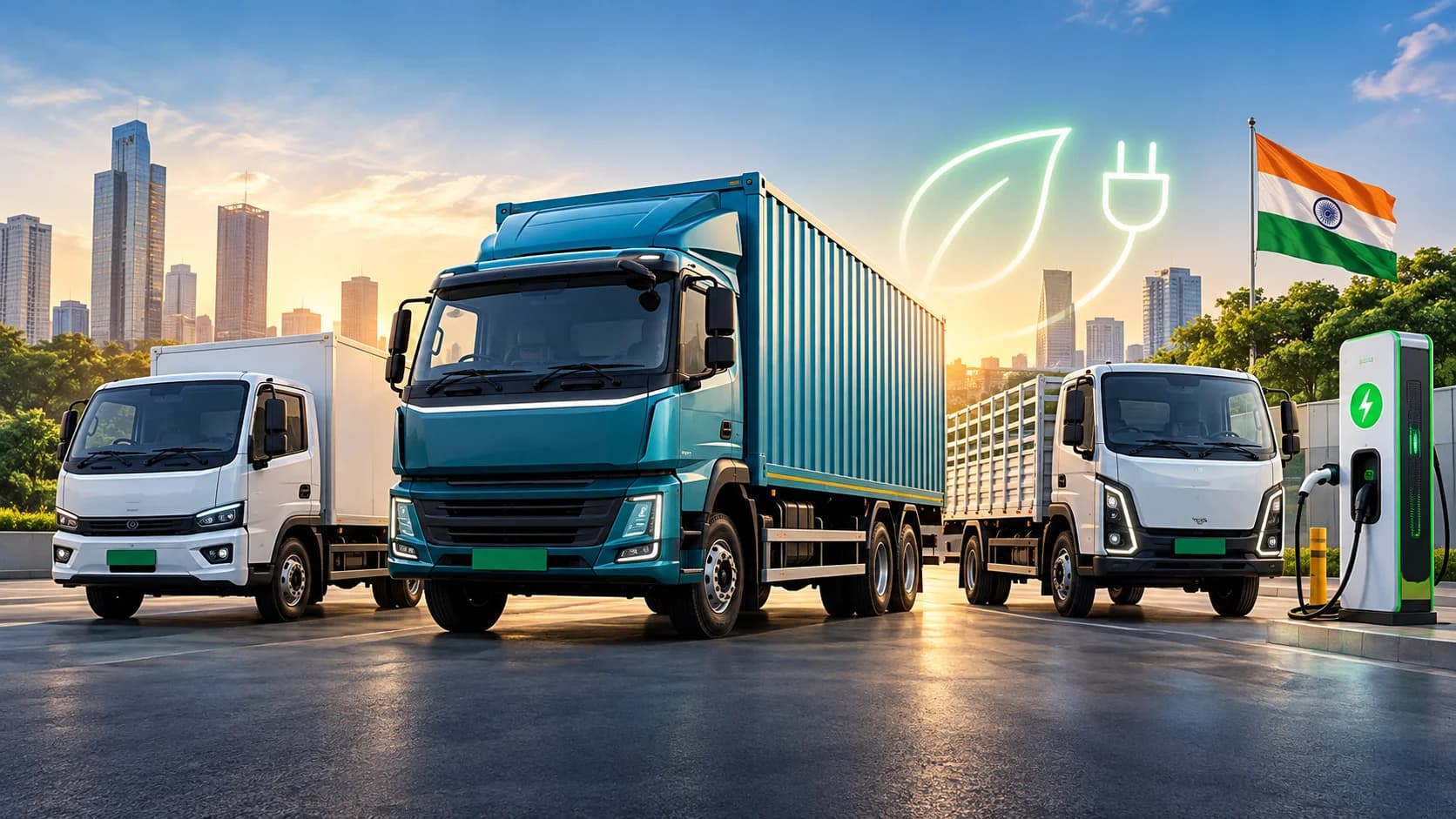
Electric truck price in India starts at about ₹10.5 lakh for a sub-1-tonne mini truck and goes to around ₹30 lakh for a 5-tonne-plus light truck, while heavy-duty models cost more. On top of that, trucks above 3.5 tonnes GVW can get a PM E-DRIVE incentive of up to ₹9.6 lakh, which now runs until 31 March 2028. The catch is that you have to scrap an old truck first, so plan for that.
So before you sit down with a dealer, check what the main models cost, how the incentive is really calculated, and which trucks miss out.
Electric truck price and specs in 2026
| Model | GVW / payload | Battery / certified range | Ex-showroom price |
|---|---|---|---|
| Tata Ace EV | 1,840 kg / 600 kg | 21.3 kWh / 154 km | From ₹10.51 lakh |
| Eicher Pro X EV 3.0T | 2,995 kg / ~1,700 kg | 32 kWh / 220 km | On request |
| Eicher Pro X EV 3.5T | 3,490 kg / ~1,760 kg | 32 or 40 kWh / 206 or 249 km | On request |
| Eicher Pro 2055 EV | 5,450 kg | Ask dealer | ₹27–30 lakh |
| Tata Ultra E.9 | About 9 tonnes | Ask dealer | ₹15.10–17.45 lakh |
Also, the Eicher Pro X payloads come from its Auto Expo 2025 launch details. Where we've written "ask dealer", we couldn't confirm the battery or range from a reliable source, so get the certified figure for the exact variant you're quoted. Heavy electric tippers and tractor-trailers are also on sale, but they mostly go to big fleets at negotiated prices.
Prices, EMIs, subsidies and permit rules vary by state and change frequently. Verify with your dealer, lender or RTO before you buy.
How PM E-DRIVE cuts the electric truck price
The Ministry of Heavy Industries has set aside ₹500 crore, which is enough for about 5,643 electric trucks. Then the incentive you get is the lowest of three numbers: ₹5,000 per kWh of battery, 10% of the ex-factory price, or the cap for the truck's weight band.
| GVW band | Maximum incentive |
|---|---|
| 3.5–7.5 tonnes (N2) | ₹2.7 lakh |
| 7.5–12 tonnes (N2) | ₹3.6 lakh |
| 12–18.5 tonnes (N3) | ₹7.8 lakh |
| 18.5–35 tonnes (N3) | ₹9.6 lakh |
| 35–55 tonnes (N3) | ₹9.3 lakh |
For an articulated truck, however, only the tractor (puller) unit qualifies, not the trailer.
The conditions that trip people up
Firstly, scrappage is compulsory. You need a Certificate of Deposit from a MoRTH-authorised scrapping facility, and the scrapped truck must be a conventional (ICE) truck of equal or higher GVW, according to the scheme guidelines. Also, the truck must come with at least a 5-year/5 lakh km battery warranty, plus 5 years/2.5 lakh km on the motor and vehicle. Finally, the incentive is paid through the manufacturer, so it shows up in the price at the dealer rather than as cash-back later.
Prices, EMIs, subsidies and permit rules vary by state and change frequently. Verify with your dealer, lender or RTO before you buy.
Two worked examples
These use ex-showroom prices as a stand-in for the ex-factory price, so treat them as rough.
Take a 5.45-tonne truck at ₹27 lakh, such as the Eicher Pro 2055 EV. It sits in the 3.5–7.5 tonne band, so the cap is ₹2.7 lakh. Since 10% of the price is also about ₹2.7 lakh, you'd get roughly ₹2.7 lakh unless the battery is smaller than 54 kWh.
Now take a 9-tonne truck at ₹15.10 lakh, like the base Tata Ultra E.9. Its band cap is higher, at ₹3.6 lakh. However, 10% of its price is only about ₹1.5 lakh, so that's all you'd get. As a result, on cheaper trucks the 10% rule usually decides the incentive, not the headline cap.
Which electric trucks don't qualify
Remember, the incentive only covers trucks above 3.5 tonnes GVW. So small trucks and pickups, like the Tata Ace EV at 1,840 kg and both Eicher Pro X EV versions at 2,995 kg and 3,490 kg, don't get it. For them, therefore, the whole case rests on running costs.
Is an electric truck worth the price?
Electric trucks cost more to buy but far less to run. Tata, for example, quotes about ₹1 per km for the Ace EV. By comparison, a CNG or diesel mini truck in Delhi now burns about ₹4 of fuel per km after this year's CNG price hike. That gap pays back fastest when your route is fixed and within the certified range, when you can charge overnight at a depot, and when the truck runs enough kilometres to recover the higher price within the loan tenure.
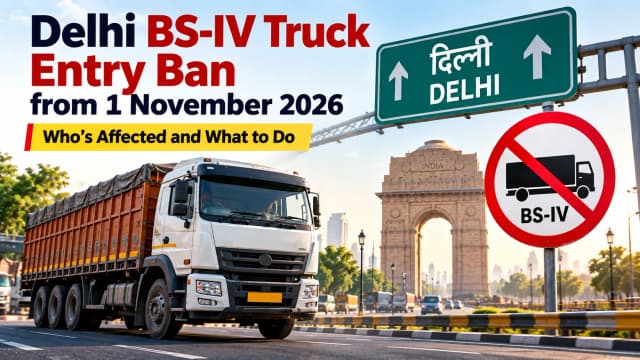
There's also the Delhi factor. Electric goods vehicles keep permanent entry to the city, whereas the Delhi BS-IV truck ban shuts out older diesel trucks registered outside Delhi from 1 November 2026.
What this means for buyers
Check the GVW first, because a 3,490 kg truck gets nothing from PM E-DRIVE while a 3,600 kg one might. Then line up the scrappage certificate before you book, since without it there's no incentive at all. When the quote comes, work out the real figure yourself (the lowest of ₹5,000 × kWh, 10% of the price and the band cap) and ask for it on the invoice. Also read the warranty line, because the scheme demands 5 years/5 lakh km on the battery.
Finally, don't leave it too late. The scheme runs to March 2028, but ₹500 crore only covers about 5,600 trucks.
Electric truck price: FAQs
What is the electric truck price in India?
From about ₹10.51 lakh for the Tata Ace EV to ₹27–30 lakh for a 5.45-tonne model like the Eicher Pro 2055 EV. Meanwhile, heavy-duty models cost more and are usually priced per deal.
How much does PM E-DRIVE take off the electric truck price?
Up to ₹2.7 lakh (3.5–7.5 t), ₹3.6 lakh (7.5–12 t), ₹7.8 lakh (12–18.5 t), ₹9.6 lakh (18.5–35 t) or ₹9.3 lakh (35–55 t). However, it's also limited by ₹5,000 per kWh and 10% of the ex-factory price.
Is scrapping an old truck compulsory for the subsidy?
Yes, because you need a Certificate of Deposit for a conventional (ICE) truck of equal or higher GVW.
Until when can I claim the e-truck incentive?
Until 31 March 2028, since the scheme was extended for e-trucks, e-buses and charging infrastructure.