Latest Buses in India
Explore the latest buses in India on BookMyVahan and discover new commercial passenger vehicles from leading manufacturers. Compare bus prices, specifications, features and performance to find a suitable bus for your transportation requirements.
Whether you are looking for a city bus for public transportation, a school bus for student travel, a staff bus for employee transportation or a tourist bus for long-distance journeys, explore different models and compare their seating capacity, engine performance, fuel efficiency and price.
Discover newly introduced diesel, CNG and electric buses across different passenger transportation categories. Check available ex-showroom prices, explore new bus features and research models that match your business requirements and operating budget.
BookMyVahan helps you compare bus models and make an informed purchase decision.
- SKYLINE PRO 3010 L ROUTE PERMIT
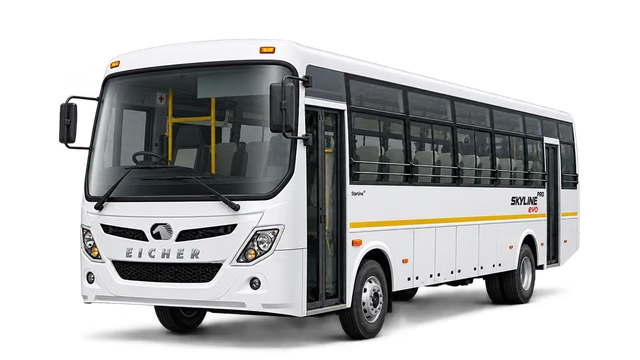
₹17.38 - ₹18.76 Lakh*
Ex-showroom Price
- STARLINE RP 2090 L ROUTE PERMIT
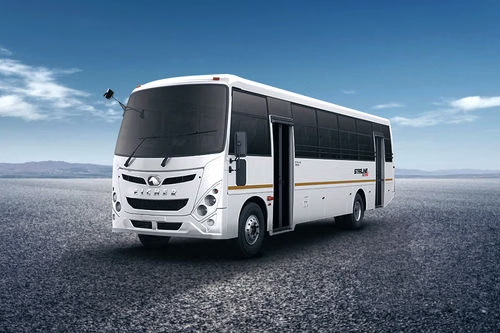
₹25.46 - ₹25.56 Lakh*
Ex-showroom Price
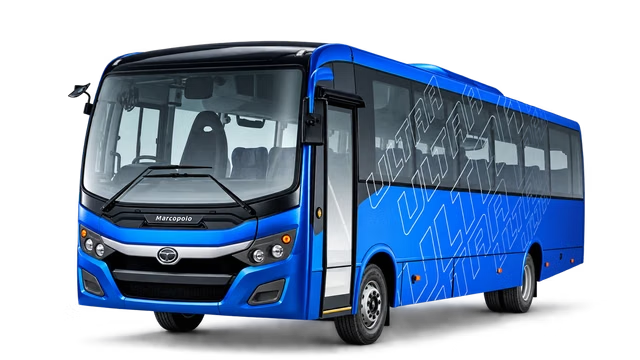
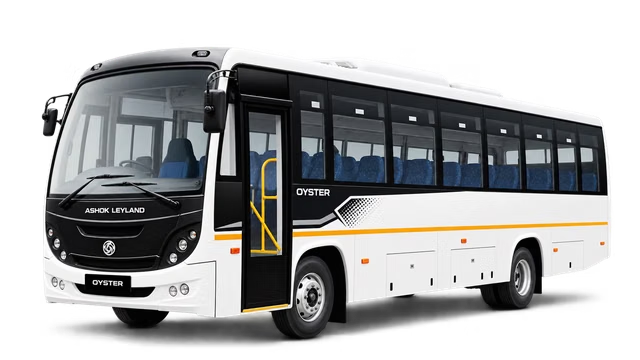
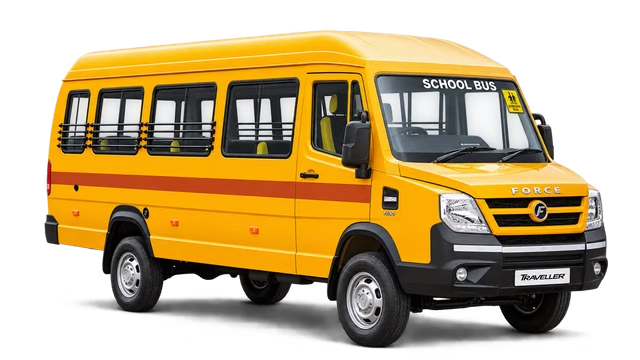
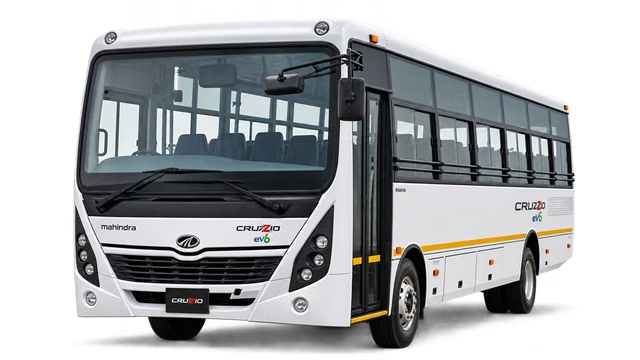
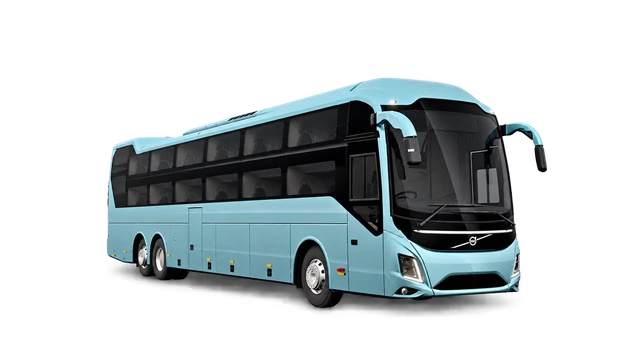
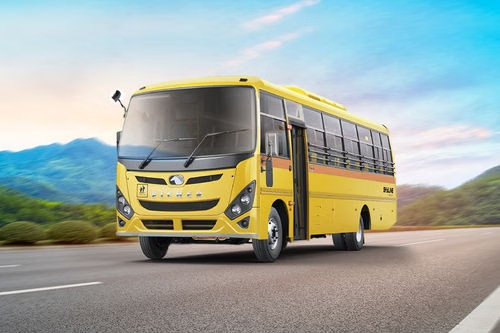
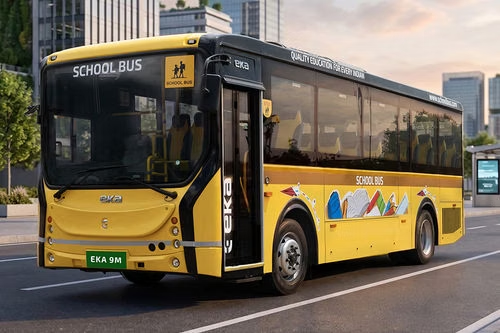
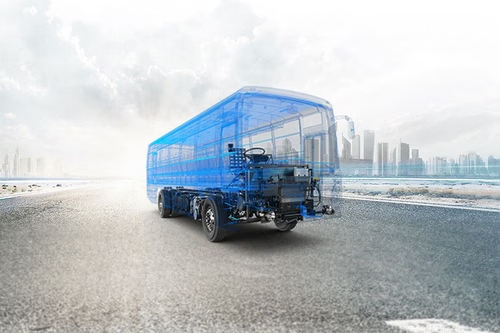
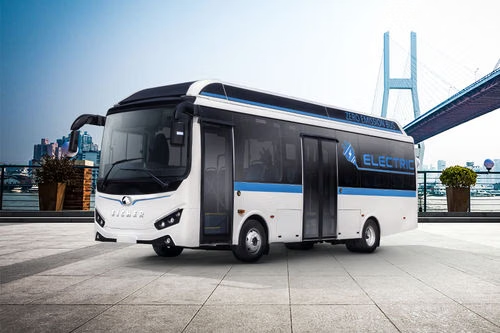
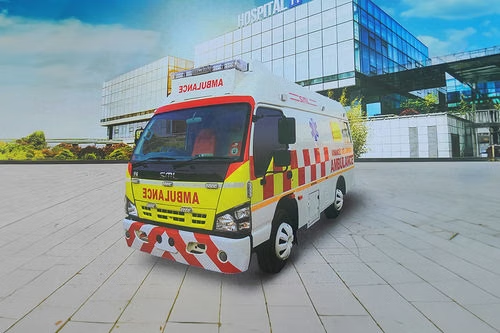
Explore the Latest Bus Models in India
The Indian commercial passenger vehicle market continues to evolve with new bus models, updated vehicle technology and alternative fuel options. Manufacturers introduce buses across different categories to meet the requirements of public transportation, schools, businesses and tourism operators.
The latest buses may offer updated engine technology, improved passenger comfort, different seating configurations and new safety or convenience features. Depending on the model, these vehicles can support city transportation, school travel, employee transportation and long-distance passenger journeys.
BookMyVahan helps you explore the latest bus models, compare their specifications and understand their features before selecting a vehicle for your transportation business.
Latest City Buses in India
City buses are used for public transportation and daily passenger movement within urban areas. They are designed to support frequent stops, passenger boarding and transportation across city routes.
When comparing the latest city buses, consider passenger capacity, seating and standing arrangements, vehicle dimensions, fuel efficiency and suitability for your operating routes.
For urban transportation operators, factors such as passenger accessibility, operating costs and service support can also influence the choice of a bus.
Latest School Buses in India
School buses are used by educational institutions and transportation operators for student travel. They are available in different seating capacities and configurations to accommodate the requirements of schools and educational organisations.
When comparing the latest school buses, consider seating capacity, vehicle dimensions, engine performance, fuel efficiency and applicable safety requirements.
Also evaluate the suitability of the vehicle for your routes, the availability of service support and the operating costs associated with daily student transportation.
Latest Staff and Employee Buses
Staff buses are used by companies, factories, offices and industrial facilities for employee transportation.
Depending on the organisation's requirements, staff buses are available in different seating capacities and configurations. They may be used for short-distance employee commutes as well as longer journeys between residential areas and workplaces.
Before selecting a staff bus, compare seating capacity, engine performance, fuel type, passenger comfort and operating costs.
Latest Tourist Buses in India
Tourist buses are used for sightseeing, group travel, intercity transportation and other passenger transportation applications.
These buses are available in different configurations depending on passenger capacity, travel distance and operator requirements.
When comparing the latest tourist buses, consider seating arrangements, passenger comfort, luggage requirements, engine performance, fuel efficiency and suitability for your intended routes.
Latest Electric Buses in India
Electric buses are an alternative to conventional fuel-powered commercial passenger vehicles. They may be suitable for public transportation, employee transportation and other applications where charging infrastructure and operating routes support their use.
When evaluating an electric bus, compare its battery capacity, claimed driving range, passenger capacity, charging requirements and purchase price.
Also consider the availability of charging facilities, the manufacturer's service network and the suitability of the vehicle for your daily operating schedule.
Compare Bus Prices and Specifications
Bus prices in India vary depending on the manufacturer, model, seating capacity, vehicle configuration and fuel type. Comparing ex-showroom prices is a useful starting point when evaluating different bus models.
Before purchasing a bus, consider the following factors:
-
Price: Compare ex-showroom prices of different models and configurations.
-
Seating capacity: Choose a bus that can accommodate your expected passenger requirements.
-
Fuel type: Compare diesel, CNG and electric options based on your operating routes and business requirements.
-
Engine performance: Evaluate power, torque and performance for the intended application.
-
Fuel efficiency: Consider fuel consumption in relation to your expected daily running.
-
Passenger comfort: Evaluate seating arrangements, ventilation and other relevant features.
-
Maintenance: Consider servicing requirements, spare parts availability and service network coverage.
-
Operating costs: Evaluate the overall cost of running the bus, including fuel or energy, maintenance and other recurring expenses.
The final on-road price may differ from the ex-showroom price due to registration, insurance, applicable taxes and other charges.
How to Choose the Right New Bus for Your Business
The best bus for your business depends on the type of passenger transportation you provide, the number of passengers and your operating routes.
Before selecting a bus, consider the following factors:
Passenger Capacity and Application
Identify whether you need a bus for city transportation, school travel, employee transportation, tourism or another passenger transportation application.
The required seating capacity and vehicle configuration will depend on the number of passengers and the nature of your operations.
Operating Routes and Travel Distance
Consider the distance travelled each day, road conditions, traffic and the frequency of stops. These factors can influence your choice of vehicle configuration and fuel type.
Fuel Type and Operating Costs
Compare diesel, CNG and electric buses based on your daily running, fuel or energy costs and the availability of refuelling or charging infrastructure.
Passenger Comfort and Features
Evaluate seating arrangements, accessibility, ventilation and other features relevant to your passengers and operating requirements.
Maintenance and Service Support
Consider the availability of authorised service centres, spare parts and maintenance support in the areas where the bus will operate.
Explore the latest bus models on BookMyVahan to compare available options and find a vehicle that matches your passenger transportation requirements.
Frequently Asked Questions
Which are the latest buses in India?
The latest buses in India include newly introduced models and recently updated variants across city, school, staff and tourist bus categories. Explore the latest bus listings on BookMyVahan to compare available models, prices and specifications.
Where can I check the latest bus prices in India?
You can explore bus prices on BookMyVahan by comparing individual bus models and their available variants. Prices may vary depending on the manufacturer, model, seating capacity and configuration.
What is the difference between the latest and upcoming buses?
Latest buses are models that have already been introduced in the market, while upcoming buses are expected to launch in the future. The latest bus listings help you research available models, while upcoming bus listings provide information about future launches.
Which bus is suitable for employee transportation?
Staff buses are commonly used for employee transportation by companies, factories and industrial facilities. The suitable model depends on passenger capacity, daily travel distance, operating routes and budget.
Are electric buses available in India?
Yes, electric buses are available in India for different passenger transportation applications. When comparing electric buses, consider battery capacity, driving range, passenger capacity, charging requirements and the availability of charging infrastructure.
What should I check before buying a new bus?
Before buying a new bus, compare its price, passenger capacity, fuel type, engine performance, fuel efficiency, vehicle configuration and maintenance requirements. Also consider applicable safety requirements, service support and the total cost of ownership.